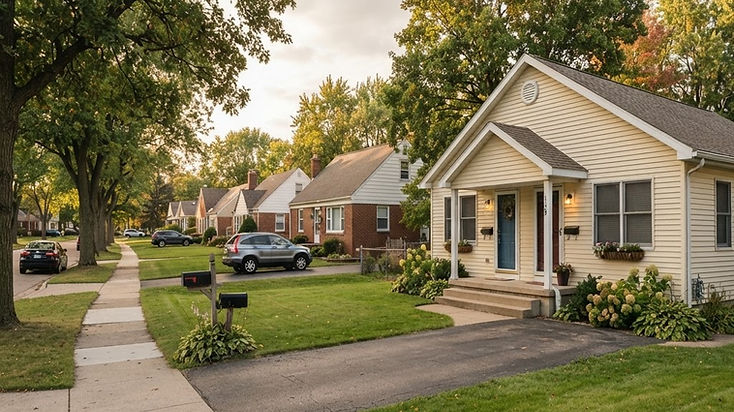
You Might Be Closer to Earning Rental Income Than You Think
When people hear the phrase real estate investor, they often picture someone who owns several houses, collects rent every month, and spends their time looking for the next property to buy.
That's one version of real estate investing.
But it isn't the only one.
What if you already own a home with an extra bedroom?
What if you're planning to buy your first house and could purchase a duplex instead?
What if you have enough savings to buy a separate rental property but don't want to manage short-term guests?
Or what if you're interested in furnished rentals but aren't sure whether the additional income potential is worth the extra work?
There are several ways to generate income from residential property, and each one comes with different financial requirements, responsibilities, and risks.
I know this because I've used more than one approach myself.
I've rented bedrooms within my primary residence, used Airbnb, and owned a duplex with two rental units.
Those experiences have reinforced something I think every beginner should understand:
The best rental strategy isn't necessarily the one that generates the most rent. It's the one that fits your financial situation, your property, your available time, and the level of responsibility you're prepared to accept.
In this article, we'll walk through seven different approaches.
We'll look at how each works, what it might cost to get started, what can go wrong, and who might want to consider it.
You don't need to choose a strategy today.
The goal is to understand your options before you commit your money.
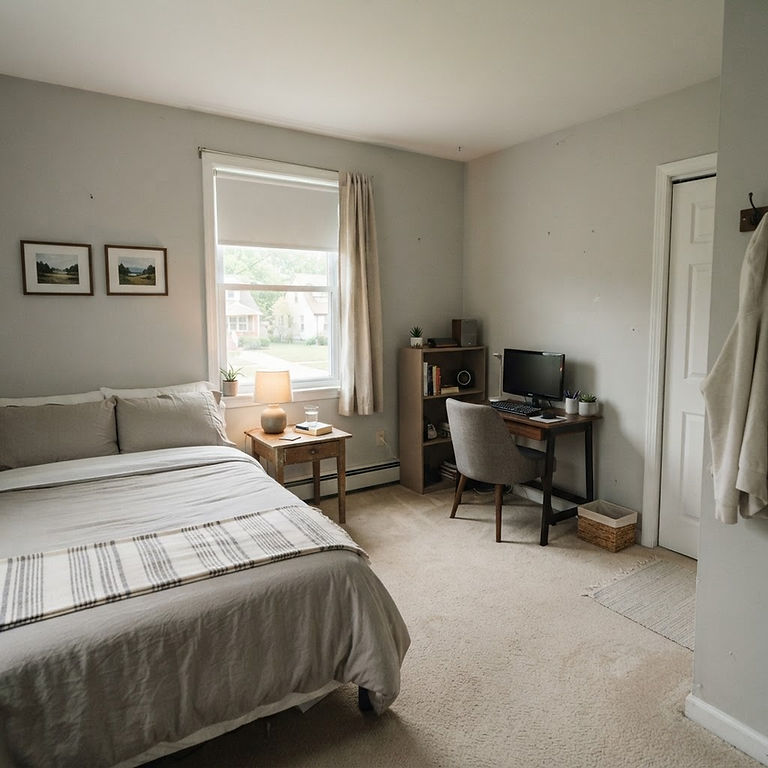
1. Rent a Spare Bedroom in Your Existing Home
One of the simplest ways to explore rental income is to use space you already own.
Imagine you live in a three-bedroom home.
You use one bedroom, another serves as a home office, and the third is mostly empty.
Instead of leaving that room unused, you decide to rent it to someone who needs a place to live.
This could be a long-term roommate, someone relocating to the area, or another occupant whose housing needs fit your arrangement.
How the Numbers Might Work
Let's use a hypothetical example.
| Item | Monthly amount |
|---|---|
| Bedroom rental income | $750 |
| Additional utilities | -$75 |
| Maintenance and wear allowance | -$50 |
| Vacancy allowance | -$50 |
| Estimated contribution before other costs | $575 |
In this simplified example, the room contributes an estimated $575 per month toward your household finances.
That doesn't mean you're earning $575 in after-tax profit. Your mortgage, insurance, property expenses, and applicable tax treatment still matter.
But it illustrates how renting unused space might help reduce the financial burden of homeownership.
Advantages
- You may not need to purchase another property.
- You can potentially use an existing bedroom.
- The rental income may help with monthly housing expenses.
- You can learn about rental agreements, maintenance, and occupant communication on a smaller scale.
Challenges
- You're sharing your personal living space.
- Privacy and compatibility matter.
- Household expectations need to be clear.
- Your insurance coverage may need review.
- Local occupancy, rental, and housing requirements may apply.
- You still need a financial plan for vacancy and unexpected costs.
Who Might Consider This?
An existing homeowner who has unused space, wants supplemental income, and is comfortable sharing part of their home.
My perspective: Renting a room may require less initial capital than buying another property, but it introduces something money can't fully measure: another person becomes part of your daily living environment.
That tradeoff deserves just as much consideration as the rent.
2. Rent Multiple Bedrooms in Your Home
This approach expands on the first strategy.
Instead of renting one bedroom, you rent two or more bedrooms while continuing to live in the property.
For homeowners with additional space, the income potential may be more substantial.
But the management and lifestyle considerations also increase.
A Two-Bedroom Example
Imagine you rent two bedrooms for $750 per month each.
| Item | Monthly amount |
|---|---|
| Bedroom 1 | $750 |
| Bedroom 2 | $750 |
| Gross monthly rent | $1,500 |
| Additional utilities | -$150 |
| Maintenance and wear allowance | -$100 |
| Vacancy allowance | -$100 |
| Estimated contribution before other costs | $1,150 |
These are hypothetical numbers, not a forecast of what rooms in your market will rent for.
The example also excludes your existing mortgage, taxes, insurance, and other household expenses.
Still, an estimated $1,150 monthly contribution could make a meaningful difference to someone's housing budget.
The Important Difference From Renting One Room
With multiple occupants, you may need to establish clearer expectations around:
- Kitchen and bathroom use.
- Cleaning and shared spaces.
- Parking.
- Guests.
- Noise.
- Utility usage.
- Rent collection.
- Maintenance requests.
- Move-in and move-out procedures.
And depending on your local jurisdiction, renting multiple rooms can trigger different licensing, occupancy, zoning, or building requirements.
You cannot assume that because you own a house, you're automatically allowed to rent every available bedroom.
Who Might Consider This?
A homeowner with multiple suitable bedrooms who wants to generate more income without purchasing another property—and who is comfortable managing a shared household.
From my experience: Renting bedrooms in a primary residence can turn an existing housing expense into an opportunity to collect rental income. But it's important to treat the arrangement as an actual rental operation, not just an informal way to split bills.
3. Buy a Duplex and Live in One Unit
This is one of my favorite strategies for beginners to understand because it combines two things most people already need to think about:
Housing and long-term financial planning.
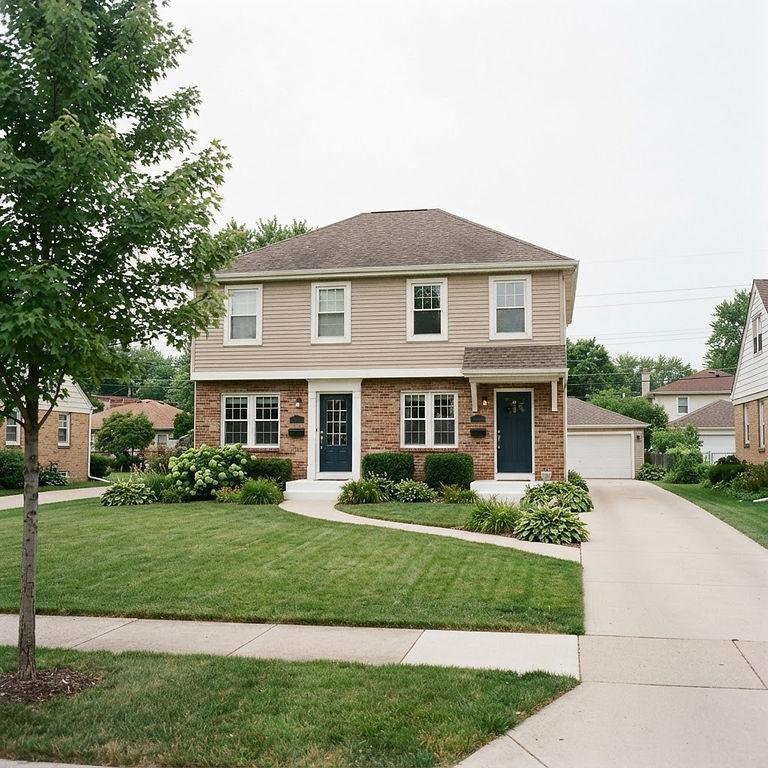
A duplex contains two separate residential units.
You purchase the property, live in one unit, and rent the other.
This arrangement is commonly called house hacking.
How It Works
Imagine purchasing a duplex with the following hypothetical monthly costs:
| Item | Monthly amount |
|---|---|
| Mortgage principal and interest | $1,600 |
| Property taxes | $350 |
| Property insurance | $150 |
| Total monthly payment | $2,100 |
| Rent from second unit | -$1,200 |
| Payment less gross rent | $900 |
In this example, the second unit's gross rent offsets part of the owner's monthly mortgage, tax, and insurance payment.
But the $900 is not your complete monthly cost of ownership.
You still need to account for maintenance, vacancies, repairs, utilities you pay, and money reserved for major future expenses.
Why This Strategy Is Interesting
Instead of purchasing a home that produces no rental income, you purchase one that has the potential to generate income from a separate unit.
You may also qualify for certain owner-occupied financing options, depending on the loan program, your qualifications, and the property's eligibility.
However, living in one unit does not automatically guarantee a particular down payment, mortgage rate, or loan approval.
Financing requirements should always be confirmed with a qualified lender.
Advantages
- You have your own separate living unit.
- The second unit may help offset housing costs.
- You gain experience operating a rental property.
- You may build equity through mortgage principal payments.
- The property may eventually offer additional rental options if your living situation changes, subject to financing and legal requirements.
Challenges
- You need money for a purchase and closing.
- Both units may require maintenance.
- Vacancies can reduce the expected income.
- You may live close to your tenants.
- A major repair can affect both units.
- You remain responsible for the mortgage whether the rental unit is occupied or not.
Who Might Consider This?
Someone buying their first home who is comfortable living in a multifamily property and wants to explore using rental income to offset housing expenses.
The lesson: A duplex can be a powerful financial tool, but it is still a property with real operating expenses. Never evaluate it by subtracting rent from the mortgage alone.
4. Buy a Separate Single-Family Rental Home
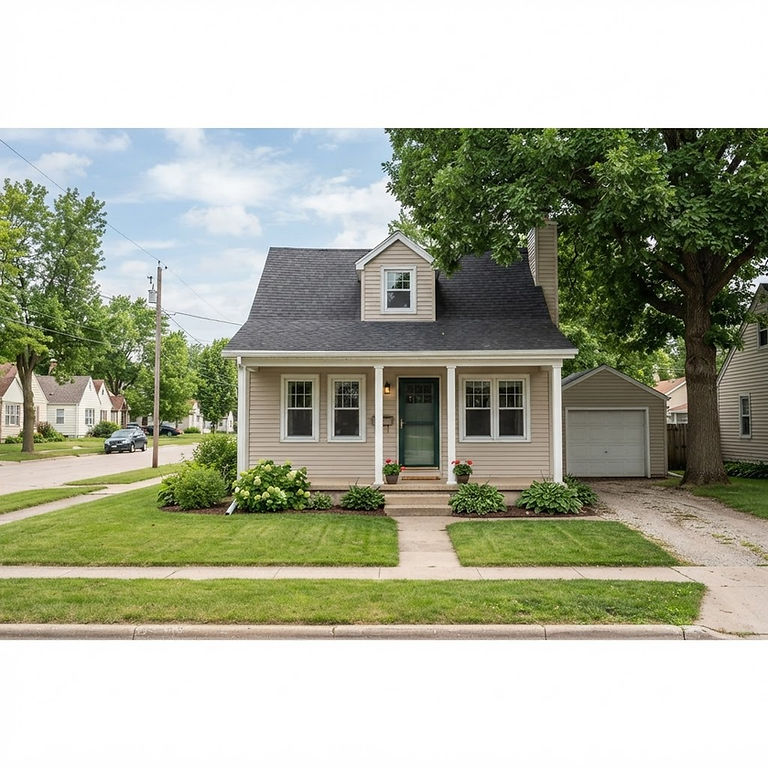
This is the strategy many people imagine when they first think about rental property investing.
You purchase a house that you don't intend to live in.
You rent the entire property to a tenant, typically under a residential lease.
Your goal is to collect rent while managing the property's expenses and potentially building equity over time.
A Simplified Example
Imagine a single-family home generates $2,000 per month in rent.
| Item | Monthly amount |
|---|---|
| Gross rent | $2,000 |
| Vacancy allowance | -$100 |
| Property taxes | -$275 |
| Insurance | -$125 |
| Maintenance allowance | -$150 |
| Management allowance | -$160 |
| Simplified net operating income | $1,190 |
| Mortgage principal and interest | -$900 |
| Capital expenditure reserve | -$150 |
| Estimated monthly cash flow | $140 |
These figures are hypothetical and assume no additional expenses, such as owner-paid utilities, association fees, leasing fees, or local licensing costs.
Notice something important.
The property generates $2,000 in rent, but the estimated monthly cash flow after the listed expenses and reserves is only $140.
That's why evaluating a property requires much more than looking at its advertised rental income.
Advantages
- You don't share your personal residence.
- You may have more separation between your home life and rental operations.
- The property can potentially generate rental income over time.
- You may build equity through principal paydown and changes in property value.
Challenges
- Investment-property financing may require more cash than owner-occupied financing.
- You need reserves for unexpected expenses.
- A vacancy may mean no rent at all.
- You may need to coordinate maintenance and repairs.
- Property values and rental demand can change.
- A single large repair can consume months or years of expected cash flow.
Who Might Consider This?
Someone with sufficient savings, manageable existing debt, an emergency reserve, and the willingness to take on a separate property's financial obligations.
My advice: If a property only works when everything goes perfectly, it's probably not a property I'd want a beginner relying on.
5. Own a Duplex or Small Multifamily Property as a Rental Investment
A duplex can also be purchased entirely as an investment property rather than as your primary residence.
In that case, both units are available to generate rental income.
Other small multifamily properties may contain three or four residential units.
The key difference from owner-occupied house hacking is that you aren't using one of the units as your own home.
Why Multiple Units Can Be Attractive
Imagine a duplex where each unit rents for $1,200 per month.
That produces $2,400 in potential monthly gross rent when both units are occupied and rent is collected.
If one unit becomes vacant, the other may continue producing income.
That's different from a single-family rental, where a vacancy can eliminate the property's rental income entirely.
However, having multiple units doesn't eliminate financial risk.
You may also have:
- More appliances and fixtures to maintain.
- More tenant communication.
- Additional utility or common-area expenses.
- Greater turnover and repair activity.
- More complex insurance and financing requirements.
A Simple Income Comparison
| Occupancy | Gross monthly rent |
|---|---|
| Both units occupied | $2,400 |
| One unit occupied | $1,200 |
| Both units vacant | $0 |
This table shows gross rent only, before expenses.
The mortgage and most property ownership costs generally continue even when a unit is empty.
Who Might Consider This?
Someone interested in owning more than one rental unit within a single property and financially prepared for the additional complexity.
From the field: Owning a duplex with two rental units has helped me understand why property management is as important as finding a property to buy. Two units may offer more than one source of rental income, but they also mean more than one household's needs to manage.
6. Offer Furnished Mid-Term Rentals
Not every renter is looking for a traditional year-long lease.
Some people need a furnished place to stay for several weeks or months.
Examples might include:
- Traveling professionals.
- People temporarily relocating for work.
- Families displaced during home repairs.
- Individuals between housing arrangements.
- People completing temporary assignments.
This is often described as mid-term renting, although there isn't one universal legal definition for the term.
The actual classification of a stay depends on local laws, lease terms, and other circumstances.

How It Differs From a Traditional Rental
With a furnished rental, you may provide:
- Beds and furniture.
- Kitchen essentials.
- Linens and household supplies.
- Internet service.
- Utilities.
- More frequent cleaning or turnover preparation.
A furnished rental might command a higher monthly advertised rate than a comparable unfurnished rental.
But it also may cost more to operate.
Hypothetical Comparison
| Item | Traditional rental | Furnished rental |
|---|---|---|
| Monthly advertised rent | $1,500 | $2,000 |
| Owner-paid utilities and internet | $0 | $225 |
| Furnishing replacement allowance | $0 | $100 |
| Additional cleaning/turnover allowance | $0 | $100 |
| Amount before other shared expenses | $1,500 | $1,575 |
The furnished option appears to produce $500 more in advertised monthly rent.
But after just the additional listed costs, the difference narrows to $75 per month.
This is not a complete cash-flow comparison. Vacancy, financing, taxes, insurance, management, maintenance, and other expenses still need to be considered.
And the furnished property might have longer gaps between occupants.
Advantages
- May serve a different type of rental demand.
- Potential for higher advertised rent.
- Flexibility in some markets.
- Can appeal to people who need temporary furnished housing.
Challenges
- Upfront furnishing costs.
- Furniture replacement and damage.
- Utilities and internet.
- Cleaning and turnover.
- Potentially inconsistent demand.
- Insurance and regulatory considerations.
- More active coordination between stays.
Who Might Consider This?
Someone with a suitable property, enough capital to furnish and maintain it, and a market where there is demonstrated demand for temporary furnished housing.
The lesson: A higher rental rate doesn't automatically mean a better investment. Compare the complete operating costs and realistic occupancy.
7. Operate a Short-Term Rental
Short-term rentals are another way residential properties may generate income.
These arrangements typically involve guests staying for relatively brief periods, often through booking platforms.
You may be familiar with services such as Airbnb or Vrbo.
I've used Airbnb myself, so I understand why this strategy interests people.
It can offer flexibility and a different approach to renting residential space.
But it should not be confused with passive income.
How the Revenue Might Work
Imagine a property advertises an average nightly rate of $125.
If it books 18 nights during a 30-night month:
18 nights × $125 = $2,250 in gross booking revenue
That sounds promising.
But let's examine a simplified operating picture.
| Item | Monthly amount |
|---|---|
| Gross booking revenue | $2,250 |
| Platform fees (illustrative) | -$100 |
| Cleaning and supplies | -$250 |
| Utilities and internet | -$225 |
| Maintenance allowance | -$125 |
| Furnishing replacement reserve | -$100 |
| Amount before mortgage, taxes, insurance, and other costs | $1,450 |
The platform fee is hypothetical. Actual platform fee structures, taxes, and charges depend on the platform and booking arrangement.
The example also assumes cleaning costs are borne by the owner and excludes several potentially significant expenses.
At lower occupancy, the financial results could change dramatically.
What Makes Short-Term Rentals Different?
You may need to handle:
- Guest communication.
- Reservations and scheduling.
- Cleaning between stays.
- Linens and supplies.
- Check-in and checkout.
- Property inspections.
- Reviews and guest expectations.
- Local licensing and restrictions.
- Insurance suitable for the use.
- Applicable lodging and other taxes.
Some municipalities or associations restrict or prohibit short-term rentals.
Mortgage terms and insurance policies may also affect whether this use is permitted.
Always verify the rules before purchasing or converting a property for this purpose.
Advantages
- Potential flexibility in how the property is used.
- Ability to adjust pricing in response to demand.
- Opportunity to serve visitors or temporary guests.
- May generate more gross revenue than some traditional rental arrangements in certain markets.
Challenges
- Occupancy can fluctuate significantly.
- Guest turnover creates additional work.
- Furnishings and supplies cost money.
- Platform rules and fees can change.
- Local regulations may limit the business.
- Higher advertised revenue may not translate into higher net cash flow.
Who Might Consider This?
Someone who understands the local market, has verified the legal requirements, and is willing to manage a more hands-on hospitality-style operation.
My perspective: Short-term rentals can be an interesting income strategy, but I would never recommend buying a property based only on an attractive nightly rate. Occupancy, operating costs, and local rules matter just as much.
Comparing All Seven Rental Income Strategies
Now that we've explored each approach, let's compare them side by side.
The classifications below are general educational comparisons, not fixed financial rules. Actual costs and workload depend on the property and market.
| Strategy | Typical starting situation | Relative upfront capital | Ongoing involvement |
|---|---|---|---|
| 1. Rent one bedroom | Existing homeowner | Lower if room is ready | Moderate |
| 2. Rent multiple bedrooms | Existing homeowner | Lower to moderate | Moderate to high |
| 3. Owner-occupied duplex | First-home or move-up buyer | Property purchase required | Moderate |
| 4. Separate single-family rental | Investment buyer | Property purchase required | Moderate |
| 5. Non-owner-occupied multifamily | Investment buyer | Property purchase required | Moderate to high |
| 6. Furnished mid-term rental | Suitable owned or purchased property | Furnishing costs plus property costs | Moderate to high |
| 7. Short-term rental | Suitable owned or purchased property | Furnishing and setup costs plus property costs | High |
A short-term rental managed by a professional operator may require less of your personal time, but that service comes at a cost.
Likewise, renting a single room might be relatively inexpensive to start, but sharing your home could be a much larger personal commitment than you expected.
The strategy with the lowest upfront cost isn't automatically the easiest. And the strategy with the highest advertised income isn't automatically the most profitable.
Which Rental Property Strategy Fits Your Situation?
I like to divide beginners into three groups.
Path A: You Already Own a Home
If you own your home, begin by evaluating what you already have.
Do you have unused bedrooms?
Is your property suitable for a roommate?
Would renting part of your home be permitted under local rules, insurance requirements, and any applicable association restrictions?
Could the additional income help you improve your financial position without taking on another mortgage?
You may discover that your existing property offers an opportunity worth considering.
Or you may decide that privacy and household flexibility are more important to you.
Either answer is reasonable.
Path B: You're Buying Your First Home
If you're planning to buy your first property, consider whether a duplex or other eligible small multifamily property could meet both your housing and financial goals.
Compare it with a single-family home.
Look at:
- Purchase price.
- Financing eligibility.
- Down payment.
- Property condition.
- Expected rental income.
- Operating expenses.
- Cash reserves.
- Lifestyle preferences.
A duplex isn't automatically better than a single-family home.
But it's an option worth understanding before you buy.
Path C: You Want a Separate Investment Property
If you already have housing and want to buy another property, your analysis needs to be especially disciplined.
You should understand:
- Your available savings.
- Your current debt obligations.
- Financing requirements.
- Property cash flow.
- Maintenance and vacancy reserves.
- Your tolerance for financial risk.
- Your ability to manage another property.
If purchasing a rental would leave you without emergency savings or put your household finances under significant strain, waiting may be the better decision.
You don't have to buy a property just because you're interested in real estate investing.
Sometimes preparation is the most valuable first step.
From the Field: What I've Learned From Using Different Rental Strategies
I've had firsthand experience with renting bedrooms in my primary residence, using Airbnb, and owning a duplex with two rental units.
What stands out to me is how different these arrangements are from one another.
When you're renting bedrooms in your own home, you're balancing income with privacy and household compatibility.
When you're managing a duplex, you're responsible for separate rental units and the expenses associated with the property.
When you're using short-term rental arrangements, you're dealing with guest expectations, turnover, and a different rhythm of property operations.
Each approach can generate income.
Each also requires a different kind of attention.
And none of them eliminates the basic responsibilities of property ownership.
My biggest lesson is that you should choose a rental strategy based on the life you want to live—not just the income you hope to collect.
If you want a predictable schedule, a high-turnover rental may not fit your lifestyle.
If you value privacy, renting multiple bedrooms in your home may not be right for you.
If you're already financially stretched, taking on a separate investment mortgage may be too risky.
The purpose of rental property ownership should be to improve your financial position, not create an entirely new source of stress that you aren't prepared to manage.
Five Questions to Ask Before Choosing a Strategy
Before you decide which approach to explore, answer these five questions.
1. What Is My Primary Goal?
Do you want to reduce your housing expenses, generate monthly income, or build equity over time?
Different strategies may serve different goals.
2. How Much Capital Do I Actually Have?
Consider your savings, current debt, emergency fund, and the money needed to prepare or purchase a property.
Don't assume all available cash should go toward a down payment.
3. How Much Risk Can I Handle?
What happens if a room sits empty?
What if a tenant stops paying?
What if a major repair occurs?
Would those events create manageable inconvenience or a financial emergency?
4. How Much Time Am I Willing to Commit?
Some arrangements involve more communication, turnover, and coordination than others.
Be realistic about your availability.
5. What Does My Local Market Actually Support?
A strategy that works in one city may not work in another.
Research comparable rents, demand, local regulations, and operating costs before making assumptions.
Try It Yourself: Choose Two Strategies to Research
Here's a practical exercise.
Choose two strategies from this article that interest you.
For each one, write down:
| Question | Strategy A | Strategy B |
|---|---|---|
| What would I rent? | ||
| Do I already own the space? | ||
| What upfront money would I need? | ||
| What monthly income might be realistic? | ||
| What operating costs would I have? | ||
| What rules or permissions must I verify? | ||
| What happens during a vacancy? | ||
| How much personal time would it require? |
You don't need perfect answers yet.
Your goal is to identify what you know and what you still need to investigate.
In the upcoming lessons, we'll go deeper into room rentals, house hacking, duplexes, financing, cash flow, and evaluating properties.
By the time you finish the series, you'll have a much clearer process for deciding whether rental property ownership makes sense for you.
Key Takeaways
There are multiple ways to generate income from residential property.
Some strategies begin with a home you already own. Others require purchasing a new property.
Renting one or more bedrooms can offer an accessible starting point for an existing homeowner, but it involves sharing your living space.
An owner-occupied duplex combines housing with potential rental income.
A separate single-family rental or multifamily investment can provide additional rental opportunities, but also creates additional financial obligations.
Furnished and short-term rentals may offer different revenue opportunities, but they often involve more operating costs and active management.
Most importantly:
Choose the strategy that fits your finances, your lifestyle, and your ability to manage the responsibilities—not simply the one with the largest advertised rental income.
What's Next: Is Buying Rental Property Right for You?
Now that you understand seven possible rental-income strategies, the next step is evaluating your own readiness.
In the next lesson, we'll examine the financial, practical, and personal questions you should answer before deciding to become a rental-property owner.
We'll look at debt, savings, risk tolerance, available time, and the responsibilities of managing a property.
Next in the series: FRP-003 — Is Buying Rental Property Right for You?
This article is for general educational purposes only and does not constitute individualized financial, mortgage, legal, insurance, or tax advice. Rental laws, financing requirements, property restrictions, and tax treatment vary by location and personal circumstances. All numerical examples are hypothetical illustrations, not projections or guarantees of rental income, occupancy, cash flow, or investment performance.
© Brad Merritt. All rights reserved.