Location: Ludington, Michigan
Great Lake: Lake Michigan
Big Sable Point Lighthouse is one of Michigan's most recognizable coastal landmarks.
Its black-and-white tower rises above the dunes of Ludington State Park, surrounded by sandy beaches, grasses, and the enormous blue horizon of Lake Michigan.
What makes this lighthouse especially memorable is the journey to reach it. Visitors typically travel roughly two miles from the main park area on foot or bicycle, turning the visit into an outdoor adventure rather than a quick roadside stop.
The lighthouse dates to 1867, and its restored buildings preserve the story of the keepers who once lived along this remote stretch of shoreline.
Why visit: Beautiful dunes, a scenic hike, lighthouse history, and outstanding photography.
Planning tip: Allow time for the return walk. Tower access and tours are seasonal; check conditions and the current restoration schedule before traveling.
Location: Near Frankfort, Michigan
Great Lake: Lake Michigan
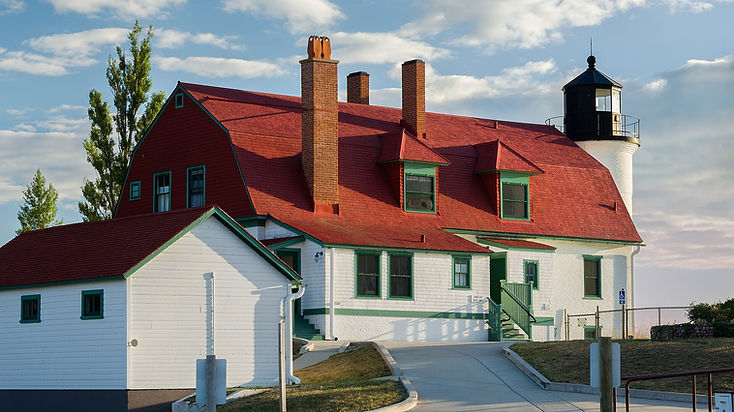
Point Betsie is the kind of lighthouse that looks as though it belongs on a postcard.
Its white tower, red roof, and green-trimmed keeper's house sit beside a beautiful stretch of Lake Michigan shoreline.
Built in the 1850s, Point Betsie helped guide ships traveling along Michigan's northwestern coast.
Today, the restored light station offers visitors an opportunity to explore lighthouse history while enjoying one of the most photogenic coastal settings in the state.
The shoreline is especially beautiful in the evening, when changing light transforms the lighthouse and surrounding beach.
Why visit: Classic lighthouse architecture, beach scenery, and beautiful sunset photography.
Planning tip: Combine your visit with Frankfort, nearby beaches, and the Sleeping Bear Dunes region.
Location: Grand Haven, Michigan
Great Lake: Lake Michigan
Few Michigan lighthouse scenes are as recognizable as the red pierhead lights of Grand Haven.
Standing along the harbor entrance, these historic structures have become symbols of the community and its connection to Lake Michigan.
The long pier, dramatic waves, and striking red lighthouse structures create an unforgettable setting.
Grand Haven is particularly appealing because the lighthouse experience is part of a larger waterfront visit. You can explore the beach, watch boats enter the channel, and enjoy the city's walkable downtown.
Why visit: Iconic red lighthouses, harbor scenery, sunsets, and an excellent beach-town atmosphere.
Planning tip: Enjoy the lights from a safe shoreline viewpoint during rough weather. Waves and icy piers can be extremely dangerous.
Location: Mackinaw City, Michigan
Waterway: Straits of Mackinac
Old Mackinac Point Lighthouse looks almost like a small stone castle overlooking the Straits of Mackinac.
Its distinctive architecture makes it one of Michigan's most memorable historic lighthouses.
The station began guiding vessels in 1889, helping mariners navigate the challenging waters where Lakes Michigan and Huron meet.
Today, the site is part of Mackinac State Historic Parks, with restored keeper's quarters, historical exhibits, and opportunities to learn about shipwrecks in the Straits.
The nearby Mackinac Bridge adds another remarkable landmark to the experience.
Why visit: Castle-like architecture, maritime history, museum exhibits, and views of the Straits.
Planning tip: Make this part of a Mackinaw City or Mackinac Island weekend. The historic site operates seasonally.
Location: East Tawas, Michigan
Great Lake: Lake Huron
Tawas Point Lighthouse stands on a narrow, sandy peninsula extending into Lake Huron.
Its location is especially interesting because the shoreline has changed dramatically over time.
The present lighthouse was built in 1876 to replace an earlier light that had become less useful as the point grew outward.
Today, the lighthouse is surrounded by Tawas Point State Park, a destination known for beaches, birdwatching, and coastal scenery.
The site offers an opportunity to explore how Michigan's shoreline has evolved and why navigation lights were so important to Great Lakes shipping.
Why visit: Lighthouse history, sandy beaches, birdwatching, and a scenic Lake Huron setting.
Planning tip: Guided tours and tower climbing are seasonal. The Michigan History Center notes that the climb includes 85 stairs and that a Recreation Passport is required for vehicle entry to the state park.
Location: Port Huron, Michigan
Waterway: Lake Huron and St. Clair River
Fort Gratiot Lighthouse holds an important place in Michigan history.
First established in 1825, it is Michigan's oldest lighthouse site and stands near the southern end of Lake Huron, where ships enter the St. Clair River.
This location has long been important to commercial shipping moving between the upper and lower Great Lakes.
The lighthouse's tall white tower is an impressive landmark, and the surrounding station tells the story of the people responsible for keeping its light operating.
Why visit: Michigan's oldest lighthouse history, a prominent tower, and nearby international shipping activity.
Planning tip: Pair the lighthouse with a waterfront visit to Port Huron and the Blue Water Bridge area. Check guided-tour availability before arriving.
Location: Presque Isle, Michigan
Great Lake: Lake Huron
The New Presque Isle Lighthouse is one of the tallest and most striking lighthouses on the Great Lakes.
Its white tower rises above the trees near the Lake Huron shoreline, creating a memorable contrast between the forest and the open water.
The lighthouse dates to 1870 and helped guide vessels along northeastern Michigan's coastline.
For visitors interested in maritime history, the Presque Isle area is particularly rewarding because both the old and new lighthouse sites can be explored as part of a regional trip.
Why visit: An impressive tower, historic lighthouse grounds, and a quieter Lake Huron setting.
Planning tip: Check seasonal museum and tower access, and consider visiting nearby Old Presque Isle Lighthouse on the same trip.
Location: Whitefish Point, Michigan
Great Lake: Lake Superior
Whitefish Point is one of Michigan's most historically significant maritime destinations.
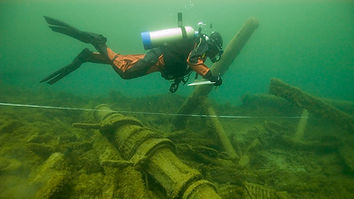
The lighthouse stands along a stretch of Lake Superior associated with numerous shipwrecks and powerful storms.
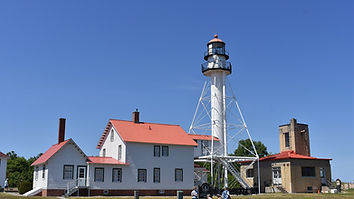
The current light tower dates to 1861, and the surrounding historic station is home to the Great Lakes Shipwreck Museum.
This is also the place to learn more about the loss of the Edmund Fitzgerald and the many vessels that encountered danger in the waters near Whitefish Point.
The setting itself is remarkable: windswept shoreline, Lake Superior's immense horizon, and a landscape that makes it easy to appreciate the challenges faced by early mariners.
Why visit: Shipwreck history, Lake Superior scenery, and the Great Lakes Shipwreck Museum.
Planning tip: Combine the lighthouse with Tahquamenon Falls and a visit to Paradise.
Location: Marquette, Michigan
Great Lake: Lake Superior
Marquette Harbor Lighthouse is instantly recognizable because of its bold red exterior.
Standing above the rocky shoreline, the lighthouse has watched over one of Lake Superior's important historic ports.
The station's story is closely tied to the growth of Marquette, the iron ore trade, and the ships that connected the Upper Peninsula to the rest of the Great Lakes.
Visitors can also explore the nearby Marquette Maritime Museum, which preserves lighthouse equipment and the stories of Lake Superior shipping.
Why visit: Distinctive architecture, beautiful Lake Superior scenery, and nearby maritime exhibits.
Planning tip: Lighthouse access is controlled, so use an authorized tour rather than attempting to enter restricted grounds.
Location: Remote Lake Superior shoreline, Upper Peninsula
Great Lake: Lake Superior
Crisp Point Lighthouse is an adventure for travelers who enjoy exploring places far from busy tourist routes.
Located along a remote section of Lake Superior shoreline, the lighthouse stands in a landscape of sand, forest, and seemingly endless water.
Its isolation is part of what makes the experience special.
Unlike lighthouses located in downtown waterfront districts, Crisp Point requires more preparation. Access involves remote roads, and conditions can change with weather and the season.
For photographers and adventurous travelers, that journey is part of the appeal.
Why visit: Remote scenery, quiet beaches, photography, and a true Upper Peninsula adventure.
Planning tip: Check current road and site-access conditions. Do not rely on an ordinary highway-style route estimate for the final approach.
Location: Silver Lake area, Michigan
Great Lake: Lake Michigan
Little Sable Point Lighthouse is a beautiful brick tower rising above the sand near Lake Michigan.
Unlike many lighthouses with attached keeper's houses, the tower stands alone, making it particularly striking against the dunes and shoreline.
The surrounding area is known for beaches and outdoor recreation, including the nearby Silver Lake Sand Dunes.
The lighthouse is a wonderful stop for travelers who enjoy combining historic landmarks with a beach day.
Why visit: Beautiful brick architecture, dunes, beach access, and seasonal climbing opportunities.
Planning tip: Pair the lighthouse with Silver Lake and nearby Pentwater. Verify seasonal tower access before traveling.
Location: Harrisville, Michigan
Great Lake: Lake Huron
Sturgeon Point Lighthouse is one of the prettiest historic light stations on Michigan's Lake Huron shoreline.
Its white tower and attached keeper's house stand near a peaceful stretch of coast.
The lighthouse was established to help vessels navigate the dangerous waters and shoals of northern Lake Huron.
Today, the grounds offer an inviting place to appreciate lighthouse architecture and the quieter side of Michigan's Sunrise Coast.
Why visit: Historic buildings, scenic shoreline, and a relaxed coastal atmosphere.
Planning tip: Combine Sturgeon Point with other Lake Huron stops around Harrisville and Alpena. Museum and tower access may be seasonal.
Location: Eagle Harbor, Keweenaw Peninsula
Great Lake: Lake Superior
Eagle Harbor Lighthouse is one of the most charming historic sites in Michigan's Keweenaw Peninsula.
Its red-brick keeper's house and white tower overlook a sheltered harbor surrounded by the rugged beauty of Lake Superior.
The lighthouse helped guide vessels serving the region's copper-mining communities.
Today, the historic complex offers an opportunity to explore the relationship between mining, shipping, and life along the northern Great Lakes.
Why visit: Keweenaw history, beautiful architecture, and a memorable Lake Superior harbor.
Planning tip: Make it part of a longer Copper Harbor and Keweenaw Peninsula trip.
Location: St. Joseph, Michigan
Great Lake: Lake Michigan
St. Joseph's pierhead lighthouses are among the most photographed coastal landmarks in Southwest Michigan.
The two lights stand along a long pier extending into Lake Michigan, connected by a historic elevated catwalk.
Their distinctive silhouettes make them especially beautiful at sunrise, sunset, and during dramatic changes in the weather.
St. Joseph also offers a lively waterfront setting, with beaches, restaurants, and a charming downtown nearby.
Why visit: Classic pierhead architecture, beautiful photography, and an easy waterfront getaway.
Planning tip: Never venture onto the pier during dangerous wave, ice, or wind conditions. Enjoy the view from shore when conditions are poor.
Location: Pictured Rocks National Lakeshore, near Munising
Great Lake: Lake Superior
Au Sable Light Station is one of Michigan's most rewarding lighthouse destinations for hikers.
Located along the Lake Superior shoreline within Pictured Rocks National Lakeshore, the historic station requires a walk through a beautiful natural landscape.
The journey offers forest scenery, shoreline views, and a chance to experience the remote setting where lighthouse keepers once worked.
The lighthouse itself stands as a reminder of the dangerous waters and offshore hazards that challenged vessels navigating Lake Superior.
Why visit: Hiking, Lake Superior scenery, historic buildings, and the opportunity to combine outdoor adventure with maritime history.
Planning tip: Plan for the walk from the designated trail access and check National Park Service guidance for seasonal access and tours.
The beauty of a statewide lighthouse trip is that every region offers something different. Lake Michigan has sandy beaches and iconic pierhead lights. Lake Huron offers historic stations and quiet coastal towns. Lake Superior rewards travelers with remote landscapes and dramatic maritime history.
The interactive map accompanying this article should display all 15 lighthouse destinations and allow readers to explore them by Great Lake and region.
- St. Joseph North Pier Lighthouses.
- Grand Haven South Pierhead Lighthouses.
- Little Sable Point Lighthouse.
- Big Sable Point Lighthouse.
- Point Betsie Lighthouse.
- Old Mackinac Point Lighthouse.
- Fort Gratiot Lighthouse.
- Tawas Point Lighthouse.
- Sturgeon Point Lighthouse.
- New Presque Isle Lighthouse.
- Whitefish Point Lighthouse.
- Crisp Point Lighthouse.
- Au Sable Light Station.
- Marquette Harbor Lighthouse.
- Eagle Harbor Lighthouse.
These are regional discovery groups, not one continuous recommended driving route.
Some locations require walking, remote-road travel or special access.
| Experience | Great choices |
|---|
| Lighthouse hiking | Big Sable Point, Au Sable |
| Classic photography | Point Betsie, Grand Haven, St. Joseph |
| Historic museums | Old Mackinac Point, Whitefish Point, Eagle Harbor |
| Remote adventures | Crisp Point, Au Sable |
| Lake Huron weekend | Tawas Point, Sturgeon Point, New Presque Isle |
| Southeast Michigan day trip | Fort Gratiot |
| Beach and lighthouse combination | Little Sable Point, Grand Haven, Point Betsie |
One of the best ways to experience Michigan's lighthouses is to explore them region by region.
A West Michigan trip can connect St. Joseph, Grand Haven, Little Sable Point, Big Sable Point, and Point Betsie, with beaches and coastal towns along the way.
A Lake Huron trip can begin in Port Huron and continue north toward Tawas, Sturgeon Point, and Presque Isle.
For a longer adventure, the Upper Peninsula offers Whitefish Point, Crisp Point, Au Sable, Marquette, and Eagle Harbor.
Before traveling, remember that lighthouse access varies considerably. Some sites are easy roadside stops, others require long walks, and a few involve remote roads or limited seasonal access. A lighthouse may be visible from public land even when its tower or keeper's quarters are closed.
Never assume a pier, tower, offshore light, or restricted historic property is safe or open to visitors.
Lighthouses are more than beautiful buildings beside the water.
They are reminders of the people who made Great Lakes navigation possible: the keepers who maintained the lights, the sailors who depended on them, and the communities whose economies grew around busy harbors.
Many of Michigan's historic lights survive because preservation organizations, local communities, volunteers, and public programs continue to maintain them.
Visiting these places helps keep their stories alive.
Whether you're watching the sunset at Grand Haven, hiking toward Big Sable Point, or standing beside Lake Superior at Whitefish Point, every lighthouse offers a different connection to Michigan's maritime past.
And once you've visited one, there's a good chance you'll start planning your next lighthouse adventure.